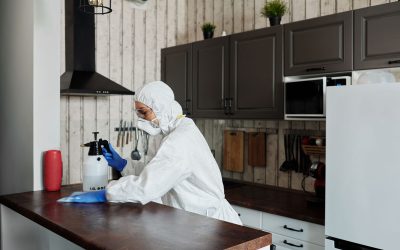
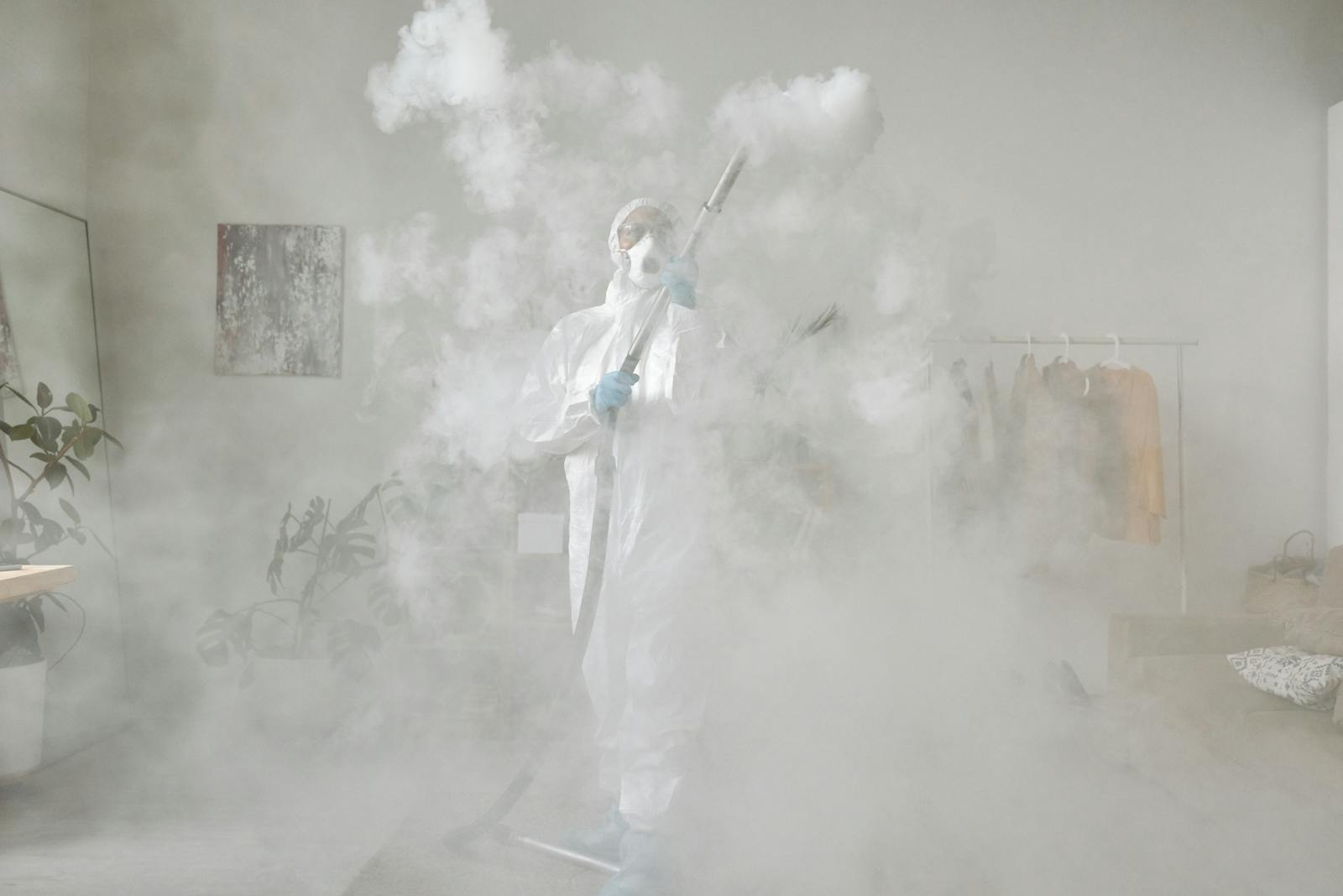
Communal entrances, stairwells, lifts, bin stores, corridors, and shared washrooms can become difficult to manage when contamination appears. Because these spaces are used by many people, biohazard cleaning needs to be quick, controlled, and discreet.
Why shared areas need a careful response
A small affected area can spread quickly in a shared building. Foot traffic, door handles, handrails, intercoms, lift buttons, and bin-room surfaces can carry contamination into places that look clean at first glance.
- Shared entrances and stairwells
- Lift buttons and handrails
- Bin stores and external doors
- Communal toilets and utility areas
What should be contained first
Access should be limited while the affected area is assessed. Cleaning teams can then remove contaminated materials, protect nearby surfaces, disinfect touch points, and handle waste safely.
- Restrict access where practical
- Avoid spreading contamination with dry sweeping
- Document the affected area
- Arrange specialist cleaning before routine maintenance
Restoring confidence in the space
Professional cleaning helps property managers, landlords, and facilities teams reopen shared areas with less disruption. It also gives residents and visitors reassurance that the issue has been handled properly.
Need help with biohazard cleaning? Request a quote from Dream Clean Professional Limited and we will help you choose the right cleaning plan for your property.