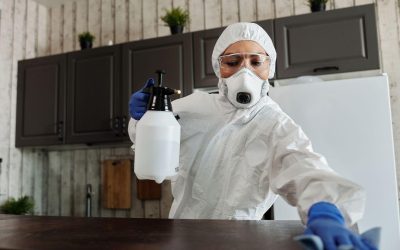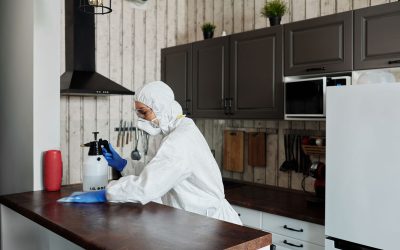
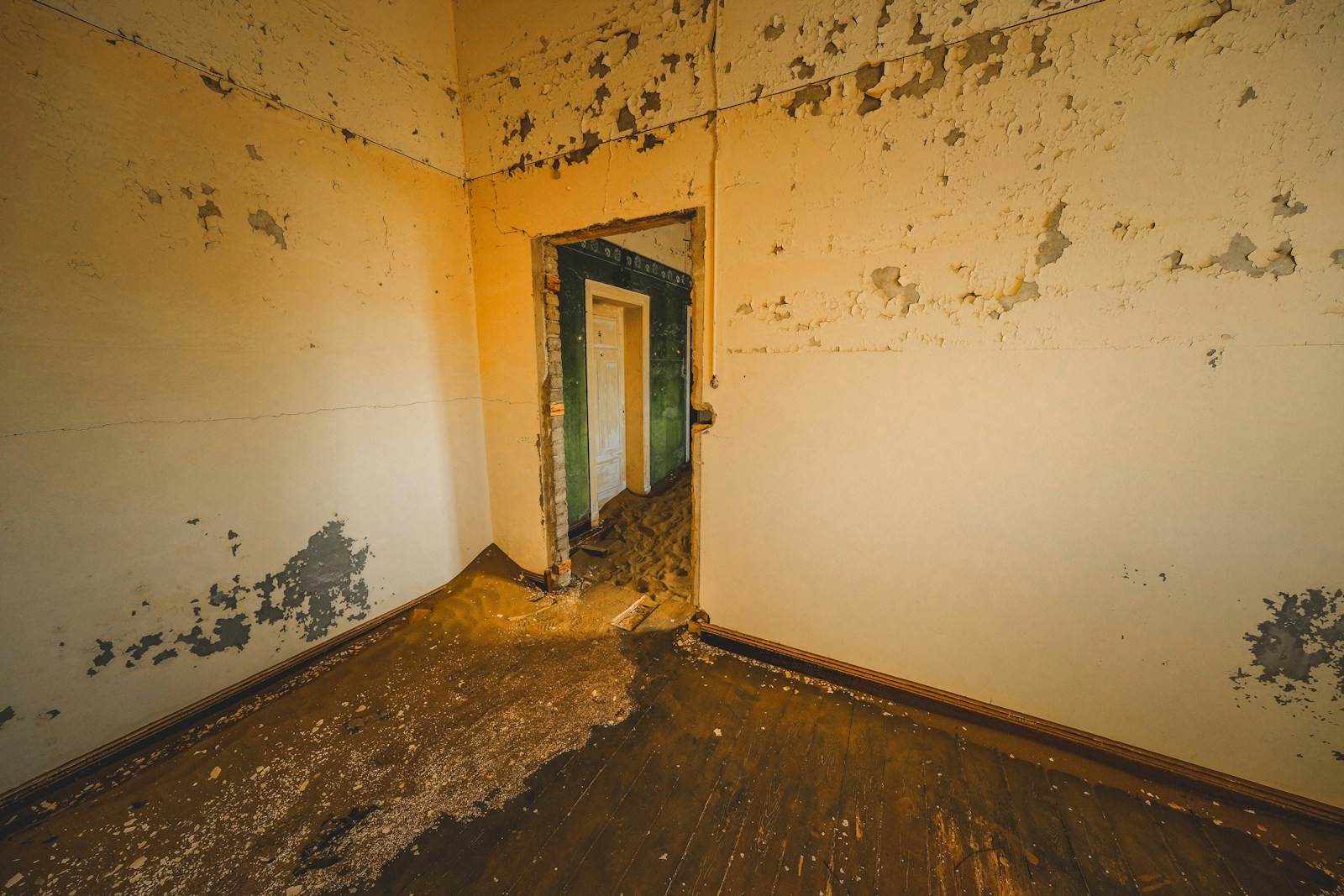
A mould patch that returns after cleaning is a reason to reassess the whole problem. A freshly wiped surface may look better without explaining why moisture keeps collecting there. Across Hastings & East Sussex, homeowners, landlords and property managers can make cleaning visits more useful by coordinating them with an investigation of the building and its moisture sources.
Separate surface treatment from the underlying cause
Government guidance for housing providers stresses the importance of identifying and addressing sources of water damage and condensation. Removing visible mould alone does not resolve an ongoing leak or another source of moisture. Cleaning and building repairs may therefore need to be planned together, with different specialists responsible for each part.
Avoid treating a new coat of paint as proof that the issue has been resolved. Record what was found, what work was carried out and what remains to be investigated.
Prepare useful information for an assessment
Describe which rooms are affected, when the problem first appeared and whether it changes after rain or during colder weather. Existing photographs and repair records can help explain the history. There is no need to disturb affected materials or move heavy furniture simply to obtain a better photograph.
Make clear whether the property is occupied, how access will be arranged and whether residents need extra consideration when work is scheduled. This allows the proposed visit to be planned around the people using the building as well as the affected surfaces.
Agree the cleaning scope before work starts
Ask which accessible areas are included, which materials require further assessment and whether any work depends on repairs being completed first. A general domestic clean and a specialist contamination clean are different services. Describing the situation accurately helps the provider decide whether the requested work is suitable.
Keep the distinction between cleaning, moisture investigation, drying and reinstatement clear in the quotation. Do not assume that a cleaning booking automatically includes plumbing, building repairs or replacing damaged finishes.
Plan a follow-up rather than relying on appearance
Agree who will check the area after the work and how any recurrence should be reported. Keep records of cleaning and repair visits together so the next professional can understand what has already been tried.
Dream Clean Professional can discuss the cleaning requirements for an affected property and the information needed before a specialist visit. A clear brief helps establish a sensible scope without promising that a surface treatment can solve every cause of recurring mould.
Further reading: Government guidance on addressing damp and mould.
Need help with biohazard cleaning? Request a quote from Dream Clean Professional to discuss your property and arrange the right cleaning service.