A sewage backflow or toilet overflow can turn a normal room into a contamination risk within minutes. Even when the water level drops, harmful residues may remain on floors, skirting boards, walls, fixtures, and nearby belongings.
Act quickly but carefully
The first step is to keep people and pets away from the affected area. If it is safe to do so, stop the source of the leak and ventilate the space. Avoid walking through the contamination because it can spread to other rooms.
- Do not use the room until it has been assessed
- Avoid using fans that could spread aerosols
- Bag affected soft items separately
- Wash hands and change footwear after accidental contact
Why normal mopping is not enough
Sewage contamination is not the same as clean water. Standard household mopping may leave bacteria, odour, and moisture behind. Porous materials such as carpet, underlay, wood, and plasterboard may need closer assessment.
- Bathrooms and wet rooms
- Basements and utility rooms
- Commercial washrooms
- Care and hospitality settings
Restoring the space
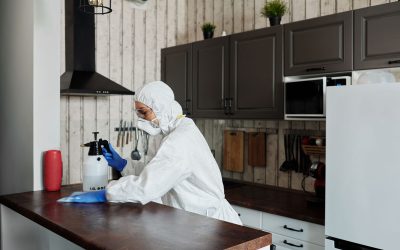
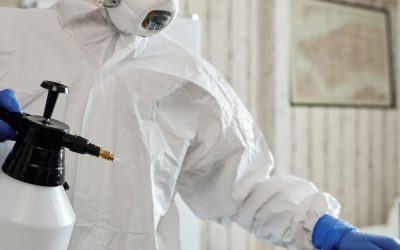
A professional clean can remove affected materials, clean and disinfect hard surfaces, reduce odour, and help identify items that cannot be safely restored. Fast action can also reduce secondary damage.
Need help with biohazard cleaning? Request a quote from Dream Clean Professional Limited and we will help you choose the right cleaning plan for your property.